All Categories
Featured
Due to the fact that it lets you provide something your competitors can't match. Like this case study: It helps a broad audience of digital marketing agencies by offering insight into the tools and strategies they can use to increase mobile natural traffic. And nobody else can tell this story. Contrary takes on your industry's hot subjects Interviews with subject professionals Often asked questions (Frequently asked questions)that others stop working to address Original researchTo guarantee your content resonates with potential customers, research the concerns they might be asking.AlsoAsked is an easy tool for getting fast concepts. Get in a term or concern, select your area, and struck"."You'll see a tree diagram including concerns that Google users who searched your subject also asked: Click any of these to check out additional follow-up concerns and use the most pertinent ones to influence your content.: Here are some tools that can help you gauge your website's trustworthiness and proficiency in a topic location: Semrush's Topical Authority metric can assist you determine how reliability your site has for specific search terms. Here's how: Think of a keyword that you want your site to rank for and type it into the text bar. Next, add your domain in the "AI-powered feature "bar, choose your target location, and click"." There will be a rating of"Low,"" Moderate, ""Appropriate, "or" High"under the "Topical Authority"label. Gaining backlinks reveals trust in your site is growing. Track yours utilizing Semrush Backlinks tool. Type your website's URL into the Backlinks tool. Hit"."Near the top of the page, you'll see"Referring Domains"( the number of domains that point back to your website)and"Backlinks" (the total number of backlinks pointing to your site ). You'll see in red or green whether each figure has increased or reduced. Examine the report's Authority Rating for a basic measure of your website's quality, which is partially based upon a variety of backlink-related aspects.
How Marketing Automation Works: The distribution of your referring domains by Authority Ratings. Consist of the search engine, device, area, and language that you want to track positions for. They ought to include the search terms that you desire to develop topical authority around.
Scroll down to see the top-performing keywords for your domain and keywords for which your domain's exposure has actually increased ("Positive Impact ")and reduced(" Negative Effect") in the picked duration. To see whether you're constructing topical authority. Then, compare your ranking positions before and after the content was published. You can change your chosen time period using the button on top right of the report.
Establishing Topical Authority Within 2026 Systems
If you see favorable boosts in ranking positions, you're likely building topical authority in those subject locations. Log in to Google Analytics( GA4 )to see whether sees are up or downFrom the control panel, click ""in the top left corner. Then, go to "" >""> "."There, you'll see a breakdown of your traffic by channel. Look at the" Organic Search "row and compare the data to what you saw from the previous duration. Prioritize structure topical authority with your material to develop unstoppable.
How Marketing Automation Works
momentum. And utilize Semrush's AI-powered keyword tools to get a much better understanding of your site's topical authority for your target search terms. You can go after the best terms to improve your trustworthiness. Take a look at the tools listed in this post with a free trial. If you've remained in SEO enough time, you understand that Google has actually been trying to determine real know-how behind web documents for years. From the failed "Authorship"task to its E-E-A-T standards, we have lots of proof of that battle. This is where the term" "originates from, and here's what you need to understand about it: As the term recommends, topical authority means the go-to resource for or a well-known expert on (or both)a particular subject . I tend to think it's both since one can strengthen the other. Google works by identifying and categorizing entities, so if your (individual) brand name is classified in a relevant category, you're one step closer to ending up being a topical authority. To prove this point, this is the requirements utilizes to identify and translate topical authority for each story:" How notable a source is for a topic or location "(This is the entity classification)."... a source's history of top quality reporting, or suggestions from expert sources, such as professional societies [and] journalistic awards"(These are recommendations from other connections from other entities Google understands about).
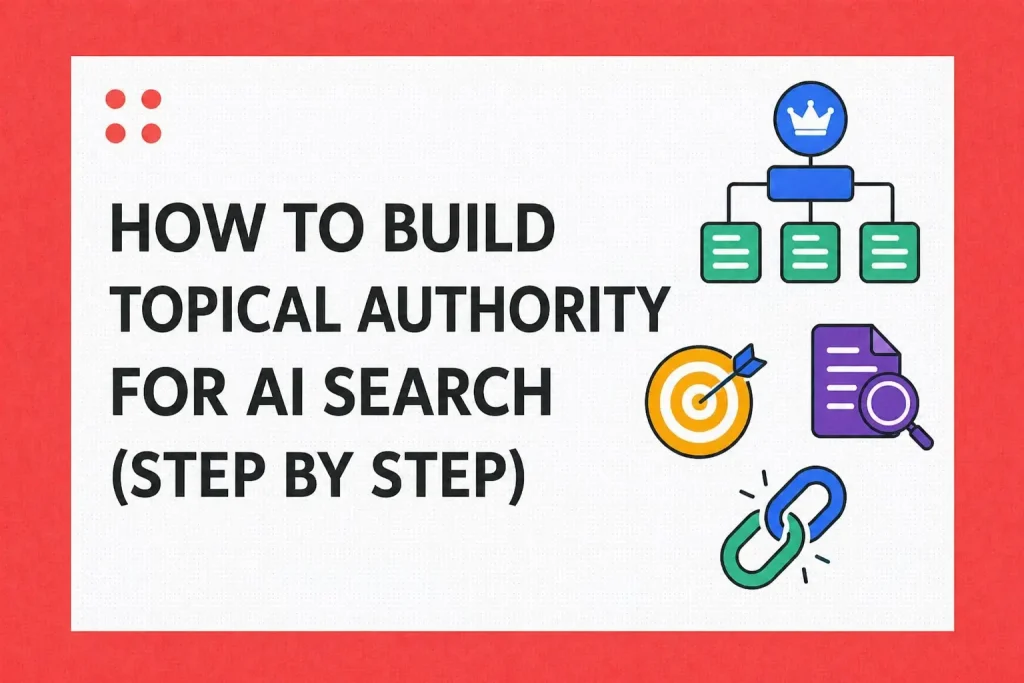
But there are also great reasons that Google looks at the content and authorship when identifying topical authority: Topical authority is not a brand-new concept. It's comprised of one or more authority signature entries. The patent keeps in mind that the objective is "to identify users with know-how in certain topics." The patent likewise explores the possibility of how a series of files can add to the" Authority Signature Worth"of their author. The authority signature worth accumulates the author's weighted authorship on a subject across multiple files they have actually authored. It's still exposing to know that Google has actually been offering this "authorship "data rather some believed for a long time. Searching Google will help you understand topical authority even much better. From Knowledge Panels to additional areas like"Articles"and "About, "you'll have a much better concept of topical authority with the outcomes standing for top quality searches: Google's brand-driven image search is likewise valuable in comprehending how Google categorizes any brand name: Now, let's get to some actionable tips here( I hope you got down here to discover it, but all the boring things above is necessary to comprehend what we require to do to develop topical authority). Enough for you to have time and resources to format it well, surface area it effectivelyon your site, and market it effectively to obtain other important signals(like links and engagements). This sounds old, however it remains important. From everything I cited above, it's obvious that Google assigns topical authority based upon the authoritativeness of the resource. Don't make it about quantity. Concentrate on popular reliable resources. If Google understands one thing well it's entities and how these are linked. Being mentioned by other entities implies entering into Google's Understanding base, that is, its map of the world. But this isn't an easy procedure. You'll require to take a couple of steps, consisting of: Get chosen and win industry awards. Compose for well-known market publications(this is what I am doing here, for instance )Take part in interviews(appearing in podcasts is also great ). Get prominent publications to mention your content (purchase premium journalistic outreach ). Enter into professional organizations(and discuss that on your website ). Whatever you do will ultimately-straight or indirectly -help you develop yourself as a topical authority. All of these will contribute to your becoming an entity, one step at a time. Schema helps Google link all the dots. Google supports just a couple of schema types but it mentions lot of times:"Surpass those."Usage Schema to connect to your authorities channels, markup your authorship, and include your locations of knowledge. Start by setting up a to inform Google a little bit more about your brand and know-how.

Latest Posts
Optimizing Business Content Using Next-Gen AI Tools
How to Utilize AI for Deep Topical Authority
Building Substantial Topical Depth Using ML Systems